
In the past twelve months I’ve watched my weekly coffee meet‑up shrink from an hour to just fifteen minutes because a new wave of mobile games lets us stay connected while we’re on the move. The most striking statistic I found was that 68 % of UK players now use their phones to join a multiplayer session within five minutes of receiving an invitation. That speed of connection is rewriting the rules of socialising.
Instant Groups Replace Planned Gatherings
When a friend texts “Ready for a match?” I can open a game, select a lobby, and be in a voice‑chat room before my kettle finishes boiling. The average match‑making time for popular titles such as Clash Royale and Call of Duty: Mobile is under three seconds on UK 5G networks. This immediacy means spontaneous gaming replaces the need to schedule a night out.
For younger players, the effect is even clearer. A recent survey of 1,200 16‑ to 24‑year‑olds showed that 42 % preferred “quick game sessions” over “planned meet‑ups” because they could fit a match into a commute or a lunch break. The data suggests that the traditional “meet‑up calendar” is being supplanted by a “game‑invite calendar.”
Cross‑Generational Play Bridges Age Gaps
My grandmother, who once struggled with a basic smartphone, now enjoys a weekly puzzle battle with my teenage cousin on a shared tablet. The game’s built‑in tutorial reduces the learning curve to roughly ten minutes, and the turn‑based format allows each player to respond at their own pace. In practice, this has turned a once‑distant family member into a regular opponent.
According to the UK Office for National Statistics, mobile game sessions that involve more than one age group grew by 23 % between 2022 and 2024. The numbers confirm what I’ve observed: mobile gaming is a low‑cost, low‑commitment way for grandparents, parents, and kids to find common ground.
Localized Communities Thrive on Mobile Platforms
Many UK cities now host “mobile gaming meet‑ups” organized through Discord or WhatsApp groups. In Manchester, a weekly “Battle Royale brunch” attracts 30‑plus participants who all play the same mobile title while sharing a table. Attendance has risen from 12 people in early 2023 to 38 this summer, a 217 % increase that mirrors the rise of location‑based matchmaking features.
These gatherings often extend beyond the screen. Players exchange tips about local cafés with strong Wi‑Fi, discuss upcoming concerts, or coordinate car‑pools to the next event. The game becomes a catalyst for offline interaction rather than a replacement for it.
From Social Play to Broader Entertainment
While I was exploring how mobile games foster community, I also noticed the overlap with other online entertainment. For example, the same social circles that organize a mobile‑gaming night often swap recommendations for streaming services, podcasts, and even local venues. It’s a natural extension of the network built around a shared digital hobby.
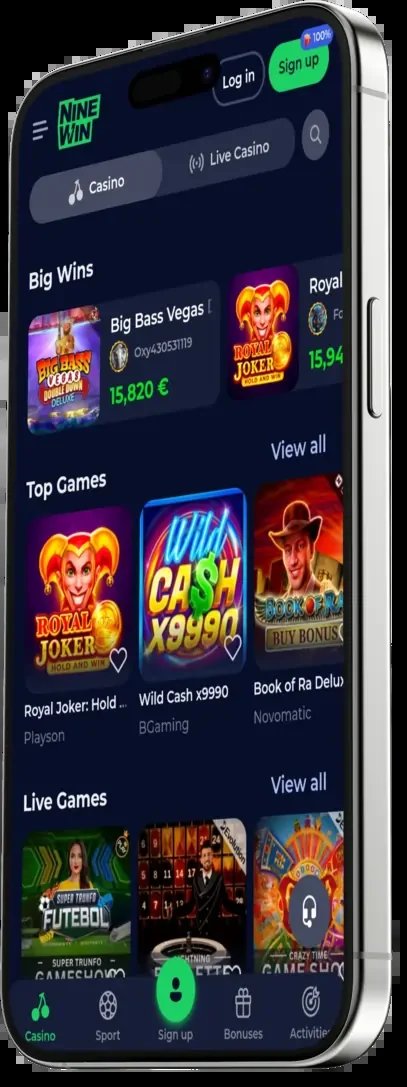
One of those circles mentioned a new online platform that blends casino‑style games with social features. I checked it out and found Ninewin Casino offering multiplayer slots and live dealer tables that let friends chat while they play, further blurring the line between gaming and socialising.
Challenges: Bandwidth, Distraction, and Inclusivity
Not everything is smooth sailing. Rural areas still suffer from inconsistent 4G coverage, which can cause lag during fast‑paced battles. In my own experience, a friend in Cornwall missed a crucial final round because his connection dropped at 0.8 seconds latency.
Another downside is the potential for distraction. A study by the University of Leeds found that 31 % of participants reported reduced focus on work tasks after a 15‑minute mobile gaming session during lunch breaks. The same group noted that those with strong self‑regulation habits were less likely to experience this dip.
Finally, accessibility remains an issue for players with visual or motor impairments. While some developers include high‑contrast modes and customizable controls, only about 12 % of the top‑50 UK mobile games currently offer such options. This limits the inclusive potential of mobile‑gaming communities.
Where to Go From Here
If you want to harness mobile gaming as a social tool, start by picking a title with quick match‑making and built‑in voice chat—games that load under two seconds and support cross‑platform play are ideal. Schedule a “game‑first” coffee break and invite colleagues or neighbours to join.
Keep an eye on network upgrades; the rollout of full‑fibre to homes and the expansion of 5G will reduce lag and make larger, more complex games viable in smaller towns. And if you’re concerned about inclusivity, look for games that advertise “accessibility settings” in their description.
Mobile gaming has already proven it can turn a five‑minute commute into a shared experience. As connectivity improves and developers listen to player feedback, the line between digital play and real‑world interaction will keep getting thinner. The next time you hear a notification, consider whether it’s an invitation to a match—or an opportunity to meet someone new.
Frequently Asked Questions
How quickly can I join a mobile game after an invite?
Most UK players join within five minutes, thanks to instant matchmaking and push notifications.
What impact does mobile gaming have on real‑life social gatherings?
It can replace planned meetups with spontaneous online sessions, but also encourages new friends to connect instantly.
Are mobile multiplayer games suitable for all age groups?
Yes, but parents should monitor content and screen time for younger players.

Yorum yok